Photographing People Without Losing the Person
Portrait photography works best when direction creates confidence instead of replacing personality.
Photographing People Without Losing the Person
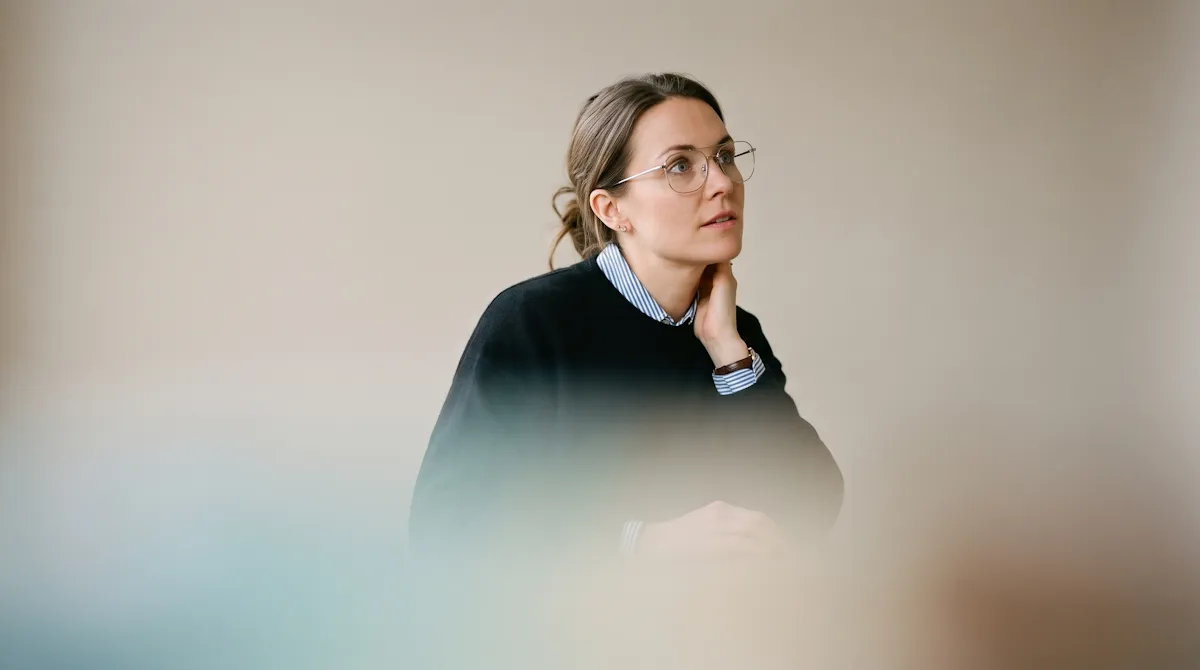
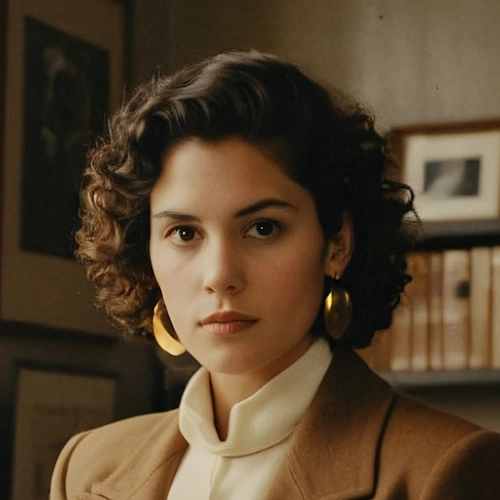
A portrait should still feel like the person in front of the camera, not a version of them performing for it.
Being photographed can make people suddenly aware of everything they are doing — where their hands are, how they are standing, what their expression looks like.
Our job is not to remove that awareness instantly. It is to create enough comfort for it to gradually disappear.
Connection Before Composition
Before worrying about where someone should stand, we pay attention to how they enter the space.
Are they relaxed? Curious? Unsure?
A few minutes of conversation can sometimes tell us more than a detailed posing plan. Simple prompts and natural movement can help a subject respond instead of perform.
Once someone becomes comfortable, their expressions tend to become quieter and more genuine.
Direction Should Create Confidence
Good direction does not mean telling someone exactly what to do in every frame.
It means giving them enough information to feel confident, then leaving room for their personality to appear.
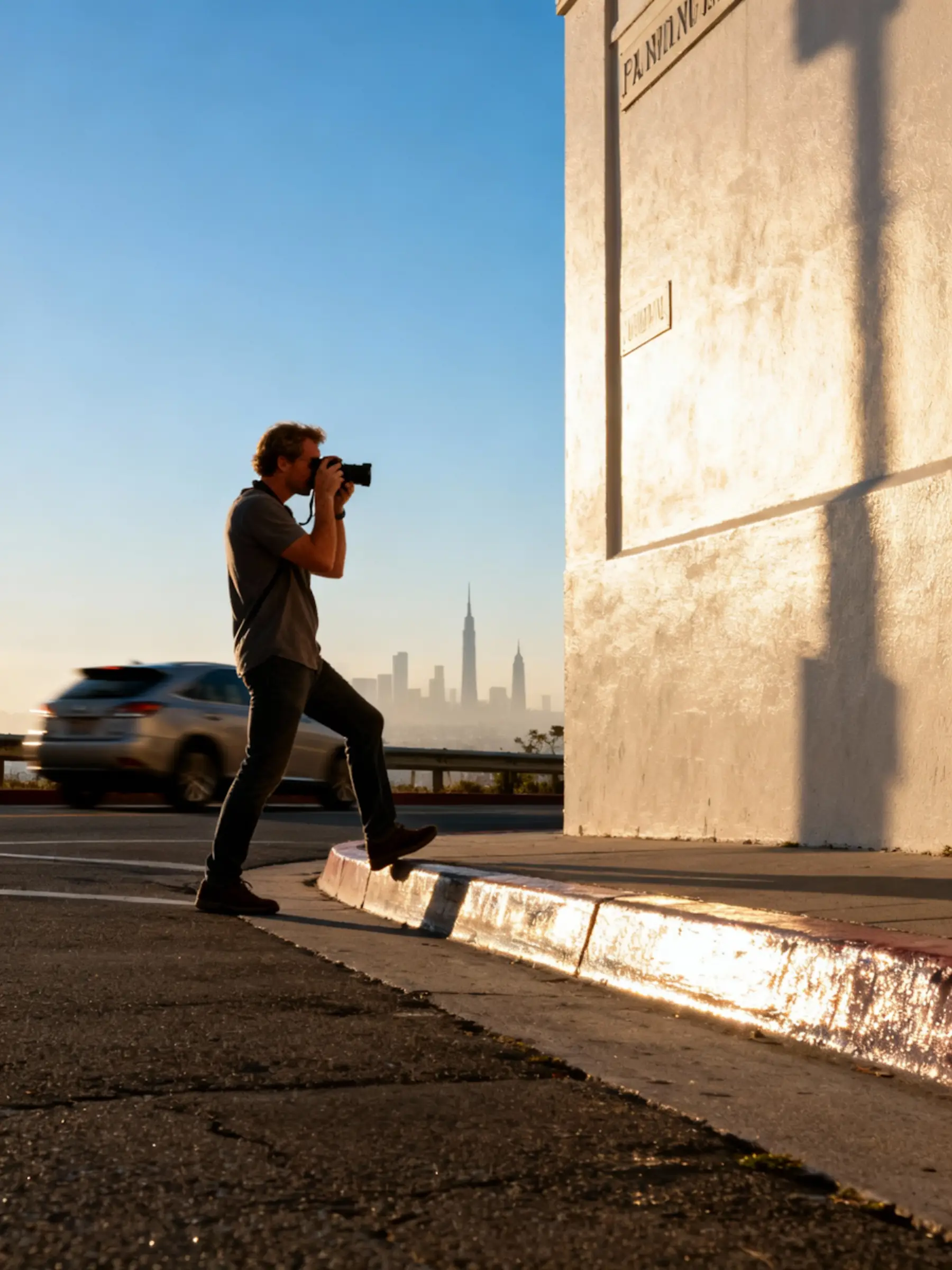
We might ask someone to walk, turn toward a window, interact with something around them, or repeat a small movement.
These prompts give the subject something to respond to rather than forcing them into a pose.
Watch the In-Between Moments
The strongest frame is often not the one produced by the instruction itself.
It is the moment immediately before or after.
A small laugh. A glance away. A hand returning naturally to a pocket. A brief pause between two directions.
Those moments can contain more character than a perfectly arranged pose because the subject has briefly stopped performing for the camera.
Let the Environment Help
A portrait does not always need to isolate the person.
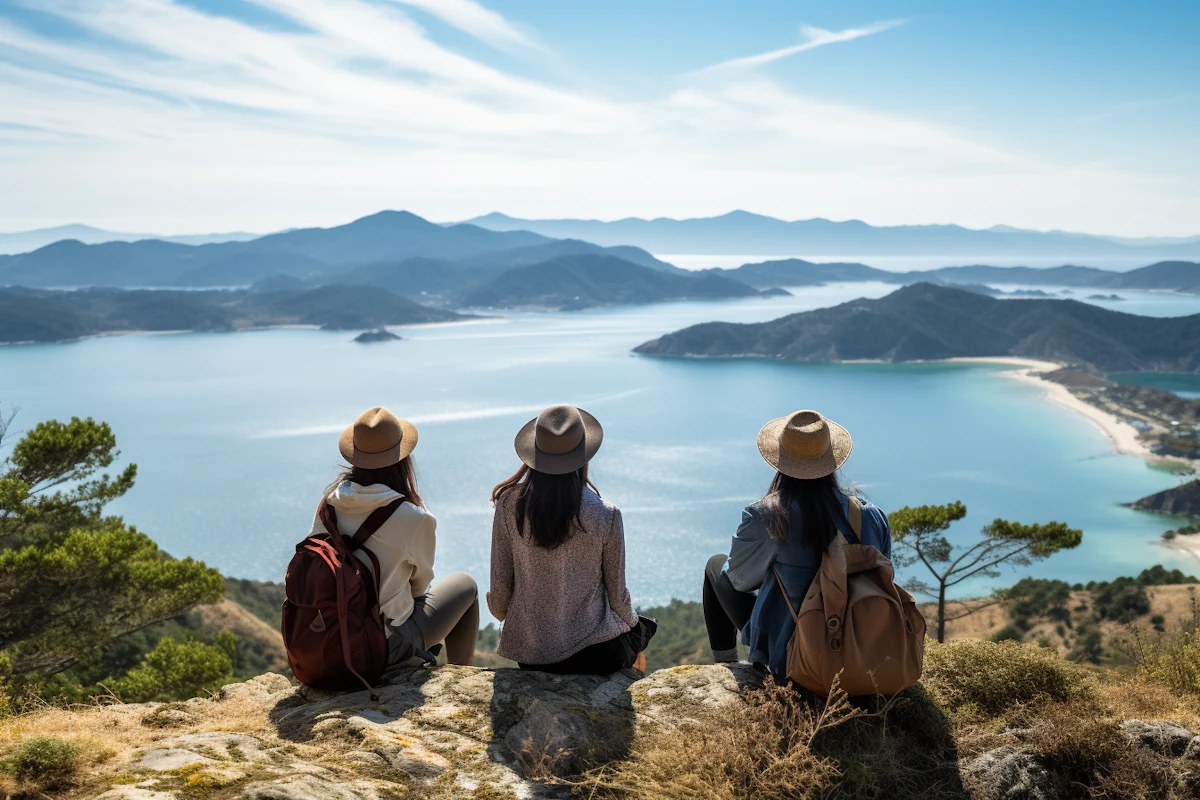
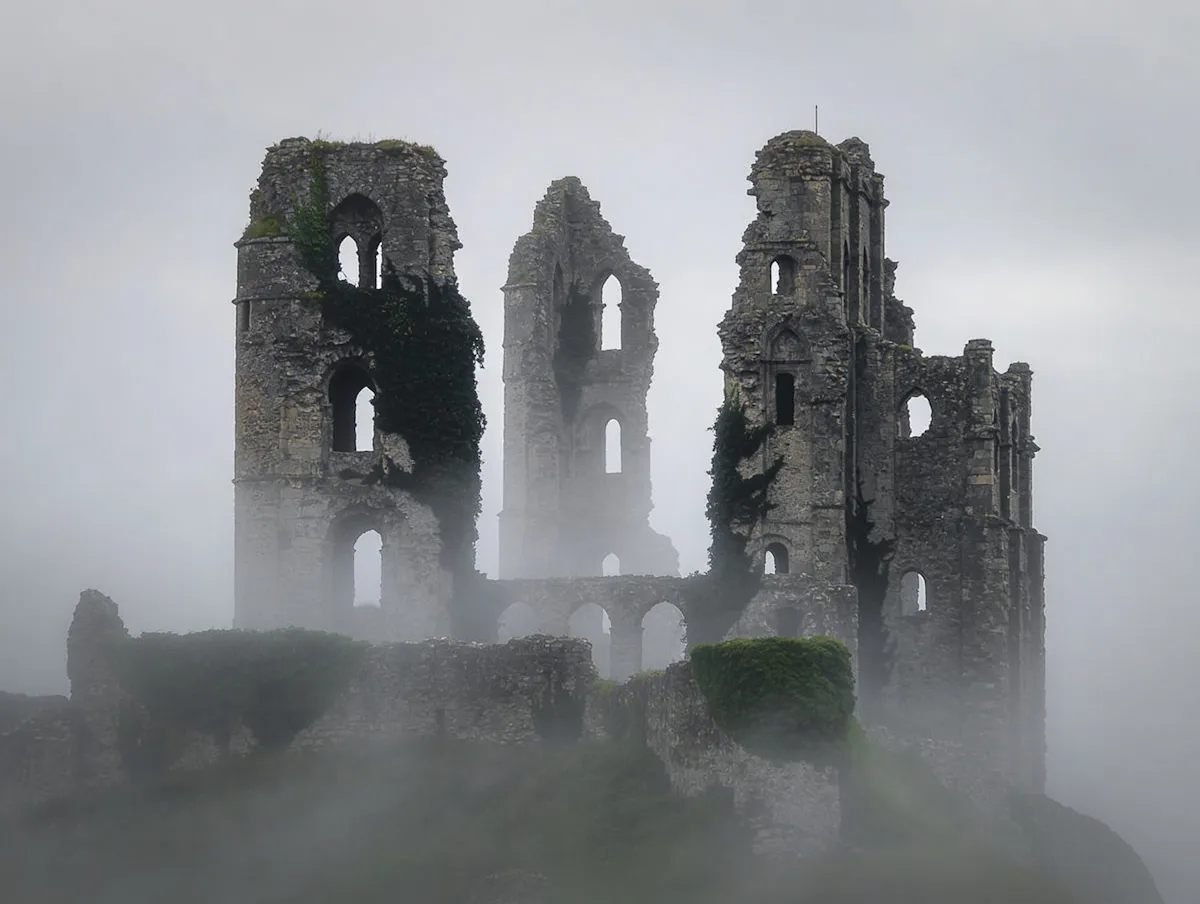
Architecture, natural light, texture, furniture, landscape, and the surrounding environment can tell us something about who they are and where they belong.
Sometimes we show more of the environment. Sometimes we reduce everything around the subject.
Either way, the environment should support the person rather than compete with them.
The Person Comes First
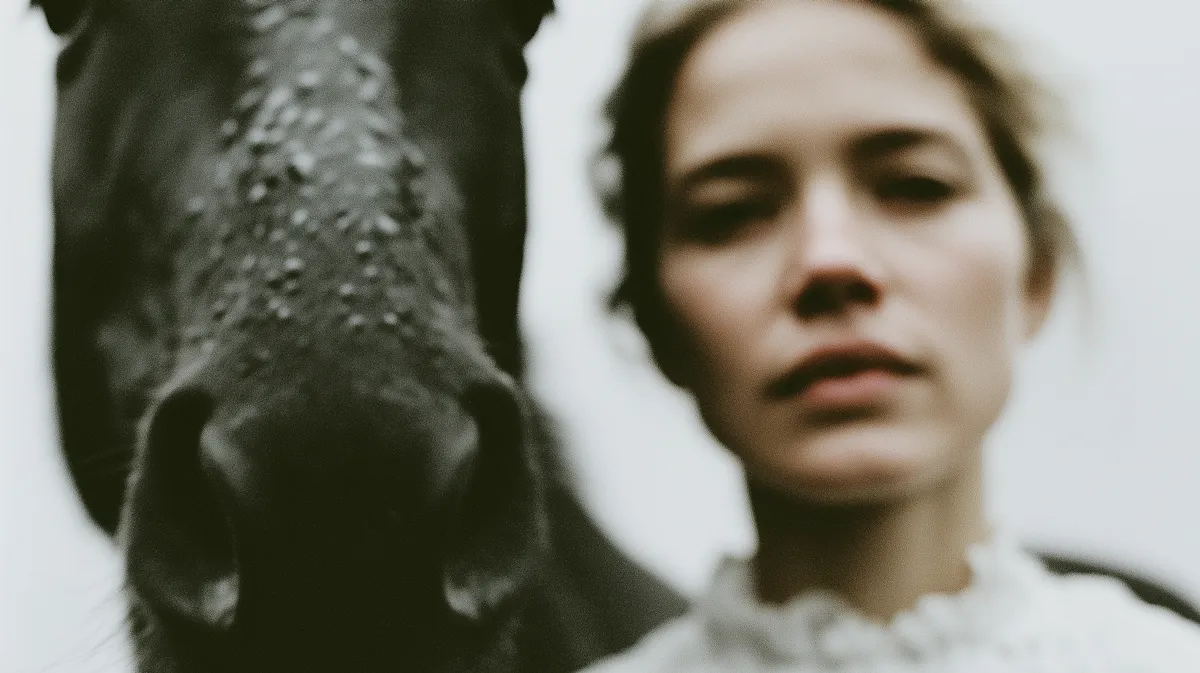
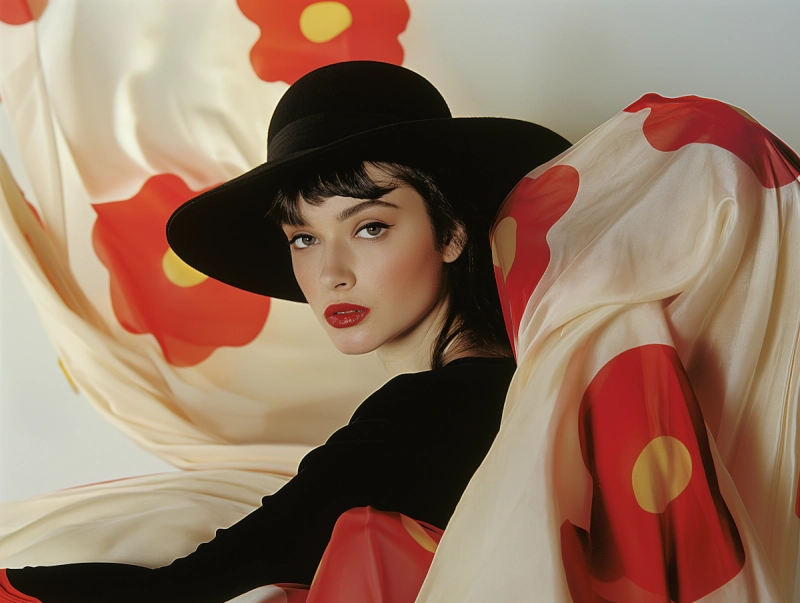
A technically beautiful portrait can still feel empty if it does not contain the person it was meant to photograph.
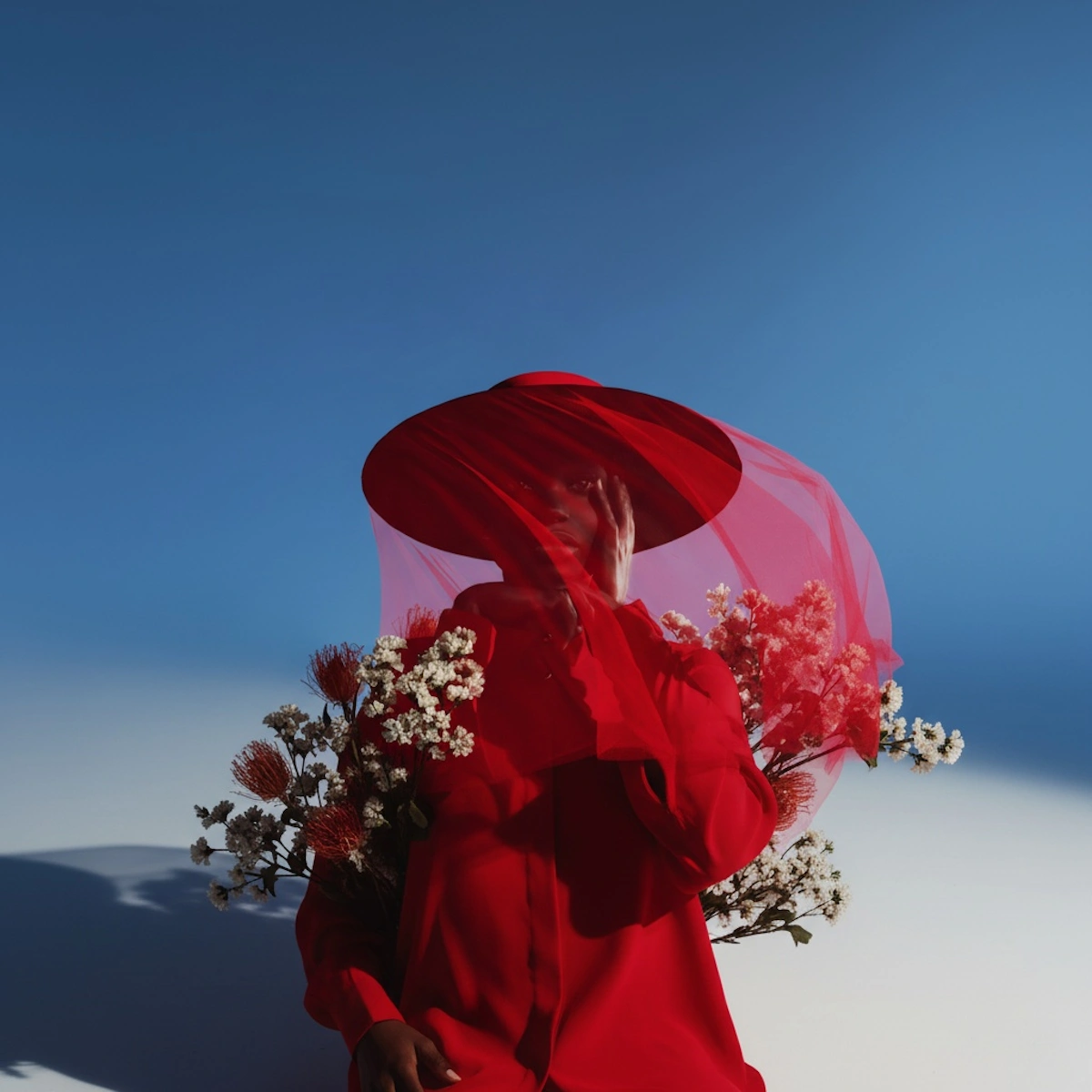
For Croma, the most successful portrait is one where you notice the human presence before you notice the technique behind it.

.webp)