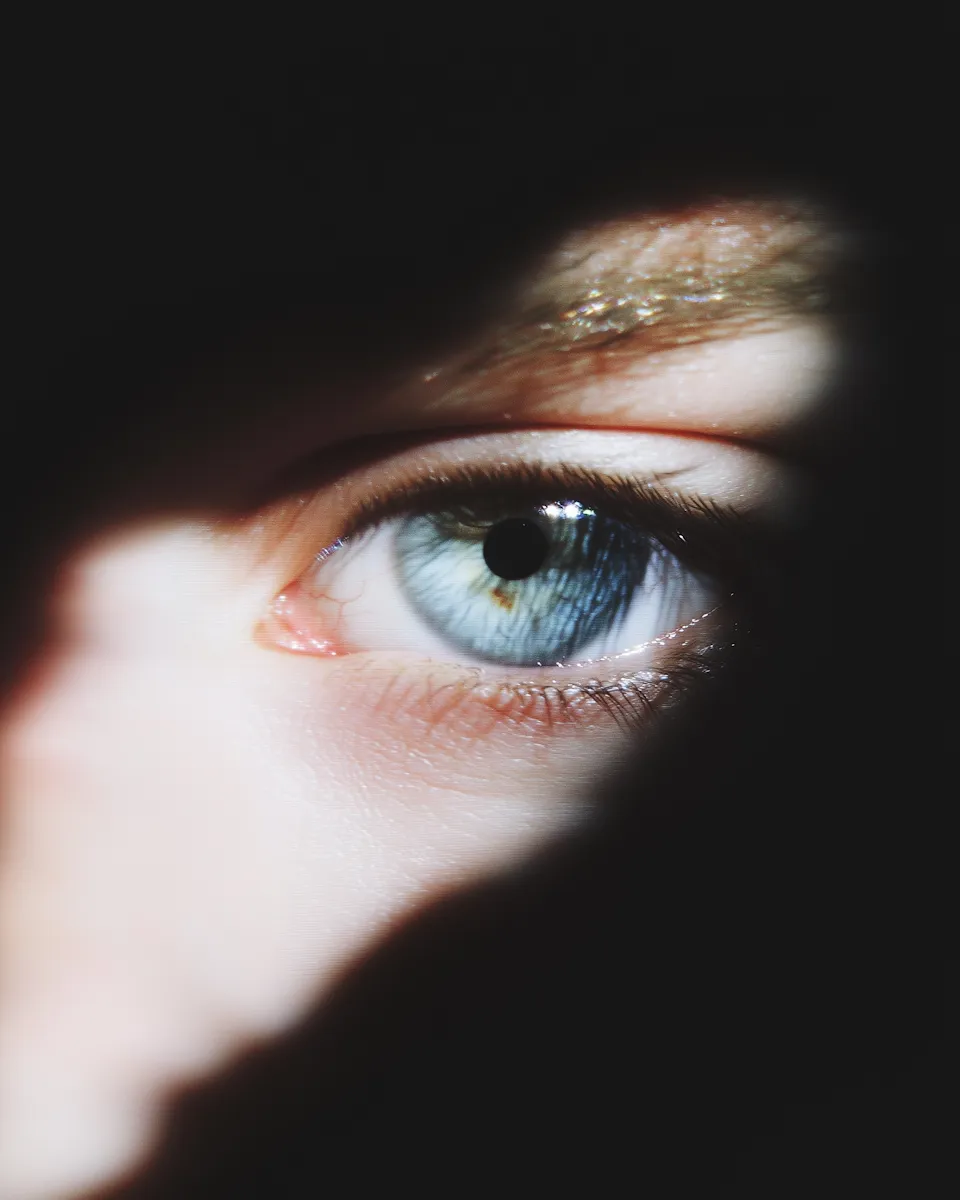
Working With Natural Light
Natural light gives a photograph its atmosphere before the camera ever takes the frame.
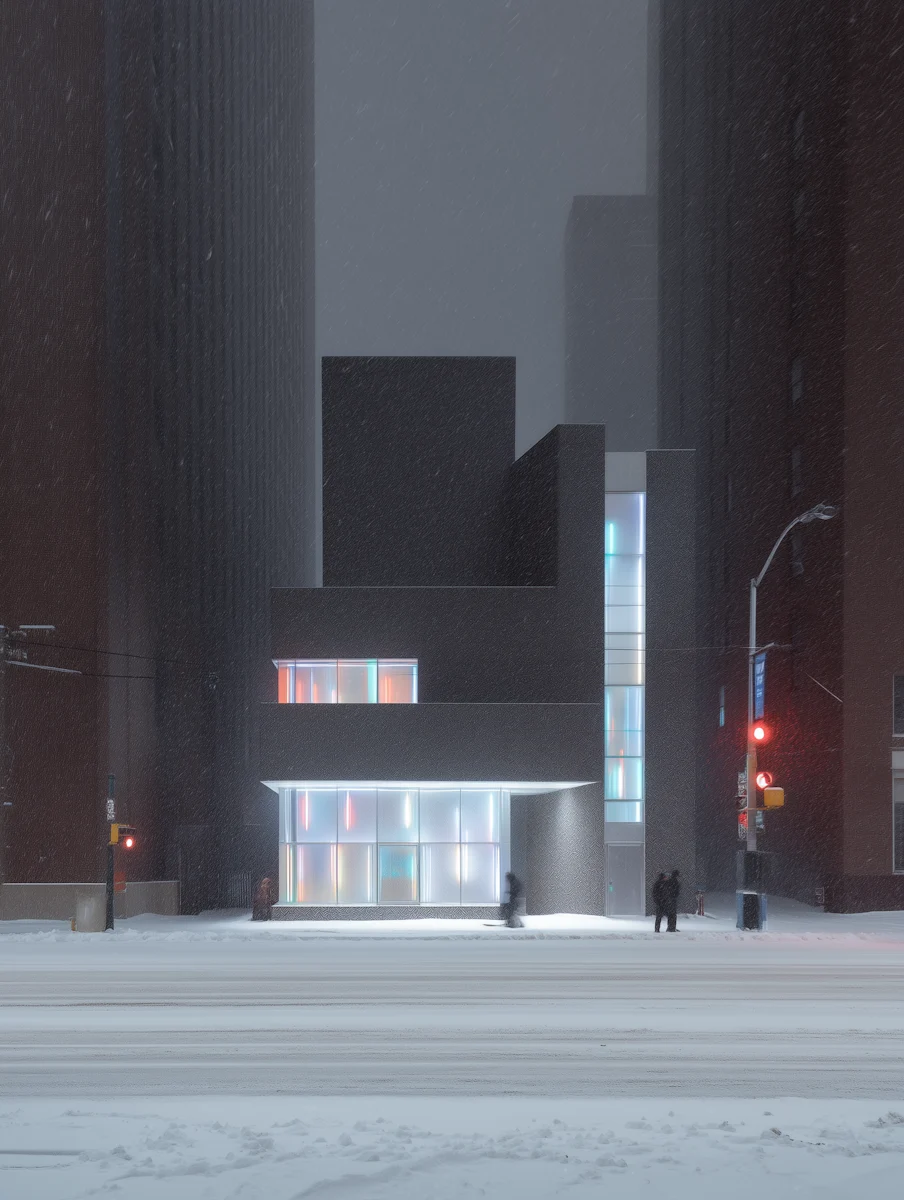

Working With Natural Light
Natural light gives a photograph something that is difficult to recreate completely. It changes with time, weather, location, and even the smallest movement of a cloud.
A room can feel completely different in the morning than it does an hour before sunset.
At Croma, we do not always try to control that change. We watch it, understand it, and let it become part of the image.
Read the Space First
Before taking the first frame, we look at how light moves through the location.
Where does it enter? Where does it become soft? Where does it create contrast? What surfaces reflect it back into the room?
Windows, walls, curtains, glass, and nearby buildings can all change the quality of light.
Sometimes the best setup is simply moving a subject a few steps closer to a window.
Direction Changes Everything
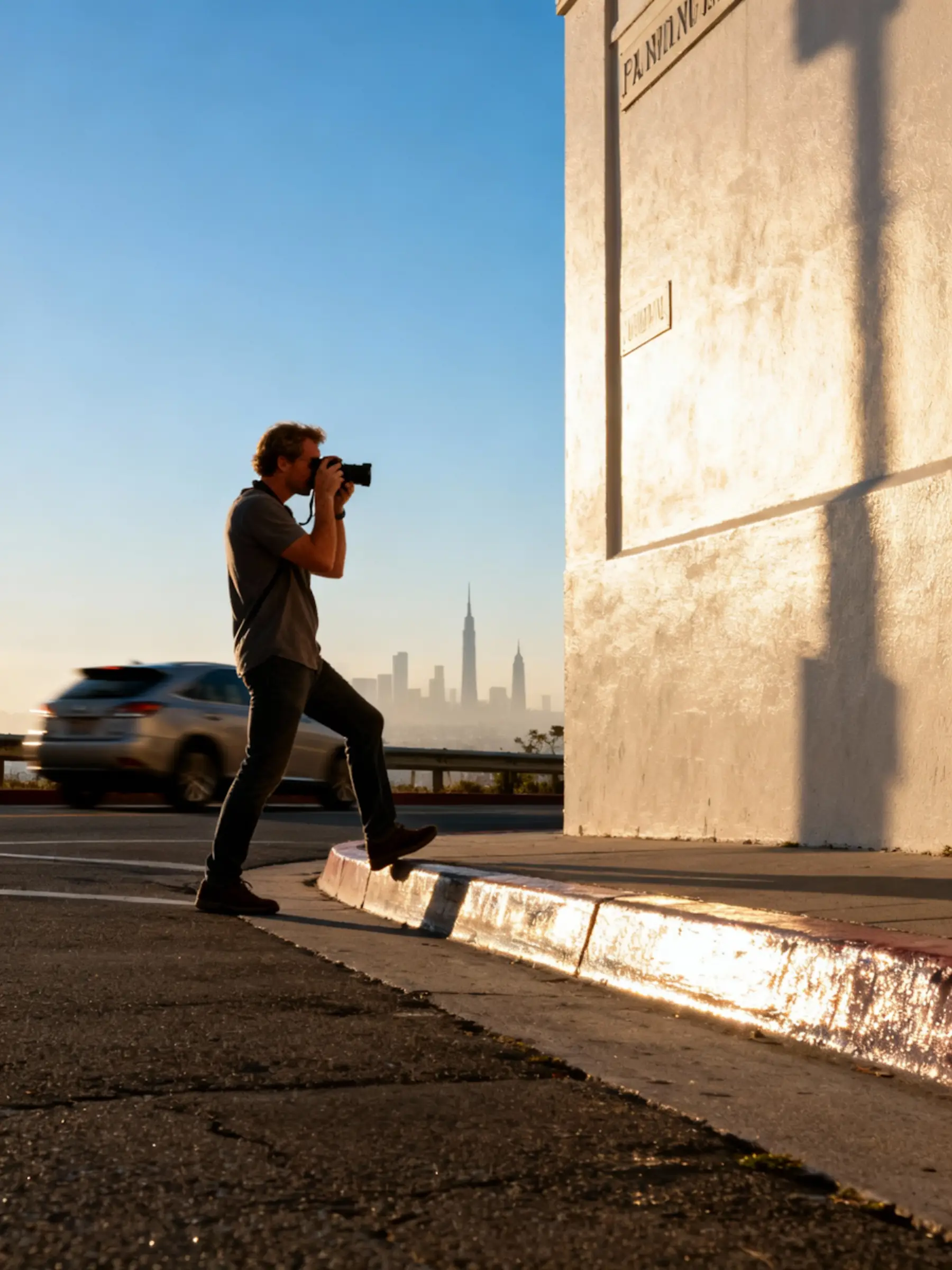
Light coming from the side can reveal texture and shape. Front light can feel open and clean. Backlight can create softness, separation, and atmosphere.
None of these approaches is automatically better.
The right direction depends on what the image needs to communicate.
We are less interested in following a formula and more interested in paying attention to what is already happening inside the space.
Knowing When to Wait
Natural light rewards patience.
A scene can be almost right, but not quite there. A few minutes later, the shadow has moved. The colour has changed. The subject is suddenly surrounded by a softer quality of light.
Those small changes can completely alter the feeling of a photograph.
Sometimes the most important creative decision is simply waiting.
Let the Light Lead
Natural light reminds us that photography is partly about being present.
You cannot always ask the sun to stay exactly where you want it. You have to notice what it is doing and respond.
For Croma, that unpredictability is part of the beauty.
The goal is not to make natural light behave perfectly.
It is to recognise when the light is already telling us something worth photographing.

.webp)